Senior Biology and Aquatic Practices students recently took their learning beyond the classroom during a hands-on marine fieldwork excursion.
Working from a vessel, students measured a range of abiotic factors, including pH, water temperature, wind speed, salinity and current speed. These observations helped them consider how physical and chemical conditions influence marine environments.
Students retrieved settlement plates that had been submerged for six weeks and used scientific equipment, including callipers, to observe and measure the organisms that had colonised them. They investigated marine organisms that begin life as meroplankton and compared their findings with the environmental data to explore relationships within the ecosystem.
The fieldwork forms part of the broader Changing Oceans Program, an international study collecting data from locations around the world to examine how changing abiotic factors affect marine organisms.
This real-world experience strengthened students’ skills in observation, field measurement, data collection and scientific analysis. It also demonstrated how classroom learning connects with living ecosystems and can contribute to a much larger body of research.
Well done to our senior science students for approaching the fieldwork with curiosity and care and for embracing the opportunity to Learn Passionately through authentic scientific inquiry.
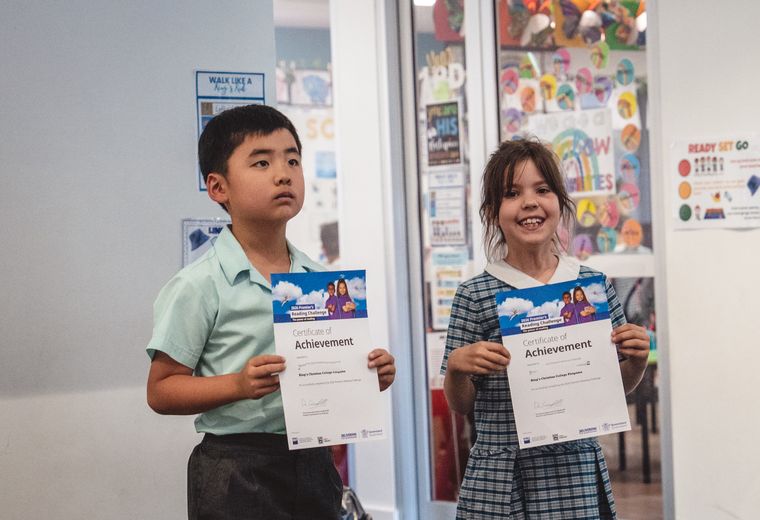
17,812 Books Read in Premier’s Challenge
A remarkable 339 students completed the 2026 Premier’s Reading Challenge, together reading 17,812 books.
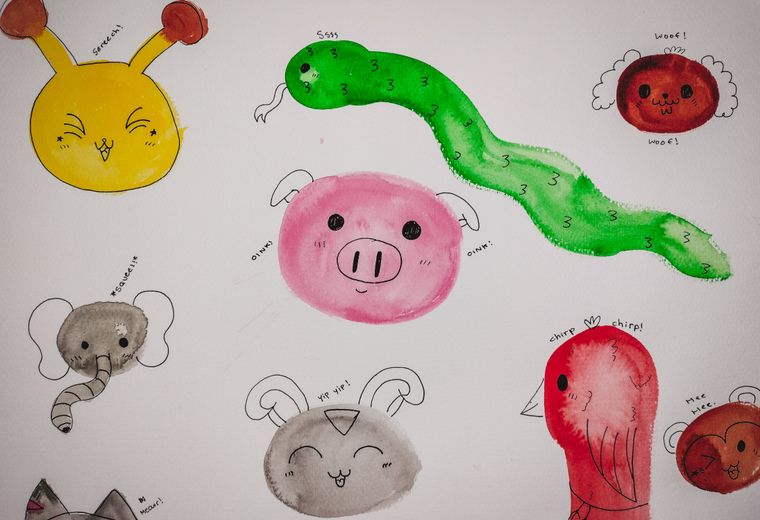
Story Studio Brings Creativity to Life
Through drama, writing, visual art, problem-solving and digital media, Story Studio empowers students to think creatively, collaborate and share their ideas with confidence.